
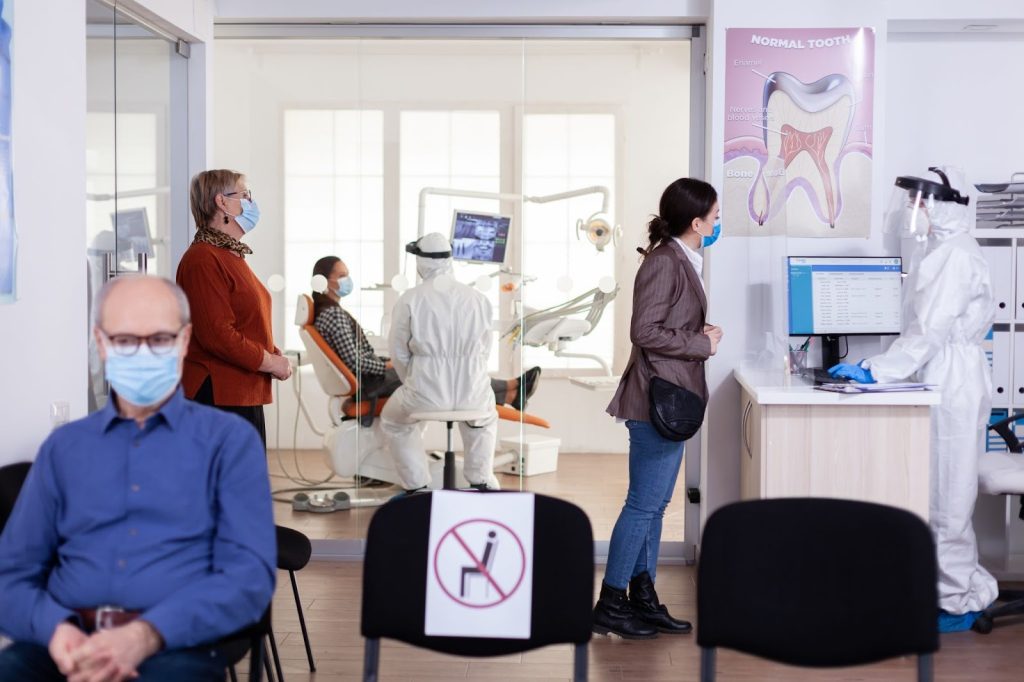
Image source: Freepik
The dental labor shortage has reached a critical point. Nearly 90% of dentists report that recruiting dental hygienists is very challenging, and most practice owners have felt the impact firsthand. Open roles can disrupt daily operations, strain existing staff, and affect the overall patient experience.
Staffing challenges extend well beyond hygienists. About 70% of dentists report difficulty hiring administrative staff, and an equal number struggle to find qualified dental assistants. Looking ahead, the United States is projected to face a shortage of more than 15,600 dentists by 2025. This growing gap threatens patient care, limits practice growth, and puts added pressure on profitability.
The frustration is understandable. Each unfilled position costs an average of $4,425 in hiring expenses while reducing the number of patients your practice can serve. Many dentists do not expect relief anytime soon, with 62% saying staffing shortages will remain their top concern through 2025.
There is good news. Practical and proven strategies can help dental practices stay resilient despite ongoing workforce challenges. This article outlines five effective approaches that can help you attract talent, maintain consistent staffing levels, and continue delivering high quality patient care.
Offer Competitive Compensation and Benefits
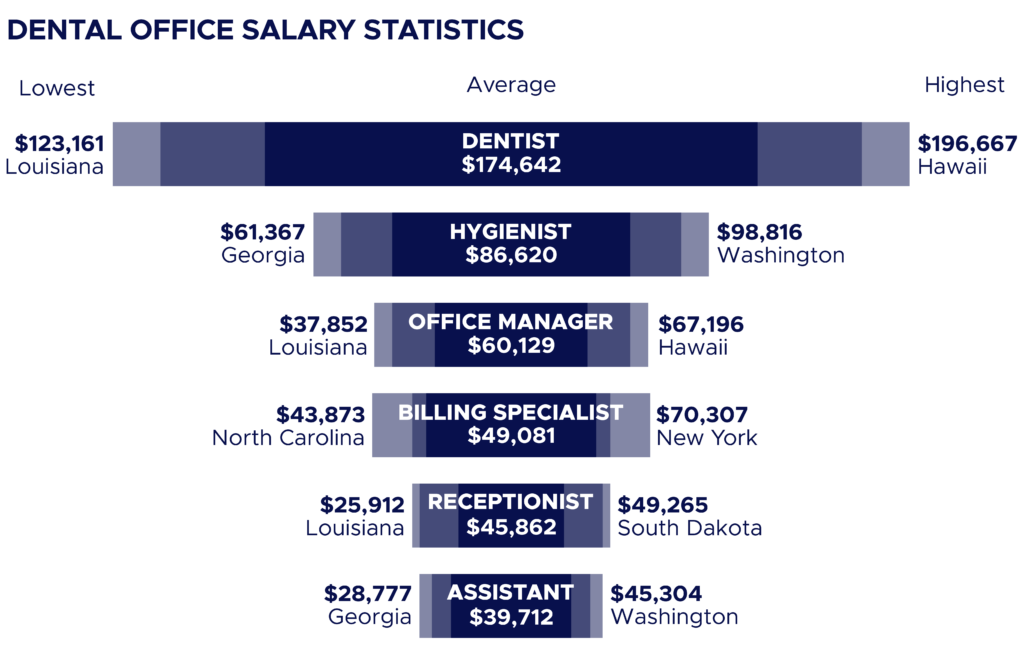
Image Source: Panacea Financial
Money drives job changes in the dental industry. About 58% of staff leave their jobs primarily due to salary. A well-laid-out compensation strategy helps you tackle the dental labor shortage head-on.
Building competitive pay packages starts with market rate research. Recent dental industry salary data shows substantial increases in pay for all positions. Practice-owning general dentists now make an average of $320,615 yearly, while hired associate dentists earn about $225,929. Dental hygienists earn $76,000 yearly or $35-$50 hourly on average nationwide. Top-paying states offer between $84,000 and $109,750. Dental assistants’ income has grown 7% to $47,440, and office managers take home around $74,000 yearly.
Clear communication about pay structure builds trust and keeps team members motivated. Staff members who understand their pay calculation and growth opportunities feel valued and stay loyal to your practice.
A competitive benefits package should include these key elements:
- Health, vision, and dental insurance (with preventative services covered at 100%)
- Retirement plans with employer contributions (such as 401(k) matching)
- Paid time off, including vacation, sick days, and holidays
- Life and disability insurance
- Flexible spending accounts or health savings accounts
- Continuing education allowances
- Student loan repayment assistance
A competitive pay strategy goes beyond money. Recent data shows 49% of healthcare workers feel burned out, while 43% feel overworked. Practices offering flexible schedules, proper staffing, and reasonable workloads often keep employees even when others offer slightly more money.
Build Relationships with Dental Schools and Training Programs

Image Source: Dental Medical Careers
Building meaningful relationships with educational institutions helps create a steady flow of dental talent. These mutually beneficial alliances with schools are better than quick fixes. They help connect your practice to future professionals during their training period.
Research shows that when dental practices team up with educational programs, more people get access to oral health care. This also helps develop future dental professionals. These relationships are a great way to get experience for dental students who work with people from different backgrounds – including children, seniors, immigrants, and underserved communities.
Your practice can assess future team members in a low-risk setting by hosting interns. Students learn practical skills while you check their clinical abilities, how they interact with patients, and if they fit your practice’s culture. Think of these internships as extended job interviews that let both sides see if they’re a good match.
Teaming up with dental schools and training programs gives practices many advantages when facing staffing challenges:
- Builds a pipeline of potential hires who know your practice’s philosophy
- Lets you assess candidates’ skills before hiring
- Makes your practice a respected leader in dental community
- Helps address diversity gaps through mentorship
- Keeps your team up to date with new techniques and research
Building these educational connections costs little money but brings big long-term rewards. You help shape tomorrow’s workforce and make your practice attractive to new talent by getting involved in dental education. Time spent building these relationships today will pay off as students graduate and join the profession. This creates a lasting solution to the dental labor shortage through a steady stream of talent.
Use Per Diem Staffing to Cover Short-Term Gaps
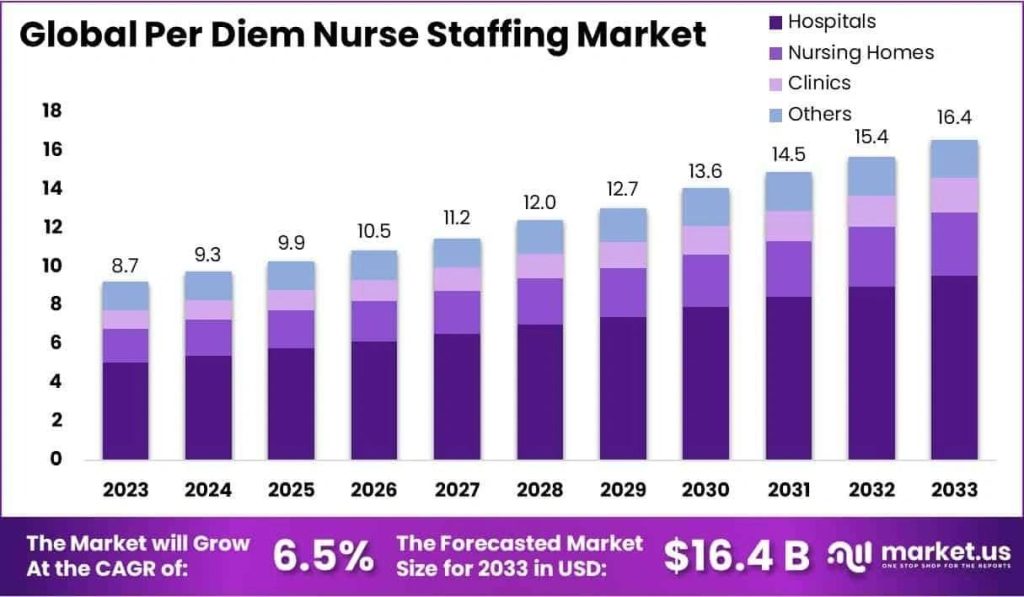
Image Source: Market.us Media
Today’s challenging hiring environment means even the best-staffed dental practices sometimes face unexpected coverage gaps. Per diem nurse staffing—which means “per day” staffing—gives you fast, flexible, and affordable ways to keep operations running during short-term absences without disrupting patient care.
This approach has become substantially more popular as staffing shortages have led many practices to try more flexible hiring models. More dental offices now rely on temporary professionals to handle peak workloads and staff absences. This gives them more flexibility while cutting overhead costs tied to salaries and benefits.
Several key benefits make per diem staffing valuable during labor shortages:
- Operational continuity: Your practice stays productive during staff absences
- Financial flexibility: Fixed labor costs become variable expenses that line up with actual patient flow
- Reduced burnout: Your permanent staff avoids overtime and overwork
- Trial period: You can assess potential permanent hires before making long-term commitments
- Cost efficiency: You save money by not hiring permanent employees for short-term needs
The financial effects can be huge. A case study of a 40-location dental group showed amazing results after they started using flexible staffing through a W-2 compliant platform. They had been losing $1.2 million yearly from 12% unfilled appointments due to staff shortages. After switching to flexible staffing, they covered 90% of last-minute gaps, got back $950,000 in revenue, cut overtime costs by 35%, and made their employees happier.
Worker classification matters a lot for compliance. Per diem employees should be non-exempt workers who get a flat daily rate plus separate overtime pay. Getting this wrong and treating them as independent contractors can cause big legal and tax problems.
Create a Positive and Inclusive Practice Culture
Image Source: Dental Professionals
A positive workplace culture helps curb dental labor shortages, beyond just pay and staffing plans. Your team members need to feel valued and supported. Research shows 62% of dental assistants left their jobs because they didn’t feel appreciated.
Good communication builds a healthy practice culture. Dr. ArNelle R. Wright, past new dentist member of the ADA Council on Dental Practice, says “having open lines of communication reduces the fear one may have initially”. Small check-ins with your assistant and hygienist throughout the day build trust and unity.
Your practice culture grows stronger with inclusivity and diversity. Here are some inclusive workplace practices to think about:
- Form an inclusion council comprising diverse employees
- Provide dedicated spaces like nursing or meditation rooms
- Offer floating holidays to accommodate various religious priorities
- Adopt flexible work schedules where possible
- Strengthen anti-discrimination policies
- Institute diversity programming honoring various cultural practices
These practices give team members a real sense of belonging. Research proves that diverse companies are 35% more productive and make better decisions 87% of the time. Delta Dental of Washington shows this commitment through their workforce diversity program. Program leader Lolinda Turner notes: “The ability to receive dental care by a dental professional who looks like them and is from the same community increases treatment acceptance percentages”.
Leaders shape the workplace deeply. Dr. Wright notes, “The culture of our practices is shaped in part by the words we say, but mostly by the actions we take”. Practice owners must live the culture, not just talk about it.
Use Referral Bonuses and Internal Recruitment

Image Source: Spear Education
Your team’s existing networks provide one of the most powerful yet underused strategies to curb the dental labor shortage. Employee referrals bring in higher-quality candidates who stay with practices longer than those hired through traditional recruiting methods.
Staff members often know qualified professionals who share their values and work ethics. These pre-vetted connections lead to better cultural fits and faster onboarding. Meaningful incentives are crucial to boost participation in referral programs.
Dental practices now use tiered bonus structures based on position difficulty and market demand. Willamette Dental shows this approach through their structured referral bonus program with substantial rewards:
- Oral Surgeon: $20,000
- General Dentist: $10,000
- Specialty Dentist: $15,000
- Dental Hygienist/RDH: $5,000
Payment distribution is equally important. Willamette Dental pays referral bonuses in two parts: half after 90 days of employment and the rest at 15 months. This protects practices from paying full bonuses for short-term hires and motivates referrers to help their candidates succeed.
Clear eligibility criteria are vital for any referral program’s success. Common requirements include:
- Candidates must have relevant experience (typically at least one year)
- Referrer’s name must appear on the candidate’s application
- Candidates cannot be current or former employees
- Referrers must follow proper submission procedures
Creative non-monetary rewards can be highly motivating:
- Extra vacation days
- Social recognition among peers
- Professional development opportunities
- Gift cards or experience-based rewards
The average referral bonus across industries is $2,500, though dental practices often pay more for clinical positions. All the same, whatever the bonus size, employee referral programs bring higher-quality candidates at lower recruitment costs than traditional hiring channels.
A Smarter Path to Staffing Stability
The dental labor shortage is not a short-term disruption. It is a structural challenge that calls for thoughtful planning, flexibility, and a willingness to rethink traditional staffing models. Practices that respond with intention place themselves in a stronger position to protect patient care, team morale, and long-term growth.
None of these approaches works in isolation. The greatest impact comes when they are applied together, aligned with the realities of your practice and the expectations of today’s dental professionals. Progress often starts small, with one or two changes that relieve pressure and restore balance.
Dental practices that stay adaptable and proactive are better equipped to navigate ongoing workforce challenges. With the right mix of strategy, flexibility, and people-first leadership, it is possible to maintain stability, support your team, and continue delivering consistent, high-quality care even in a demanding labor environment.