
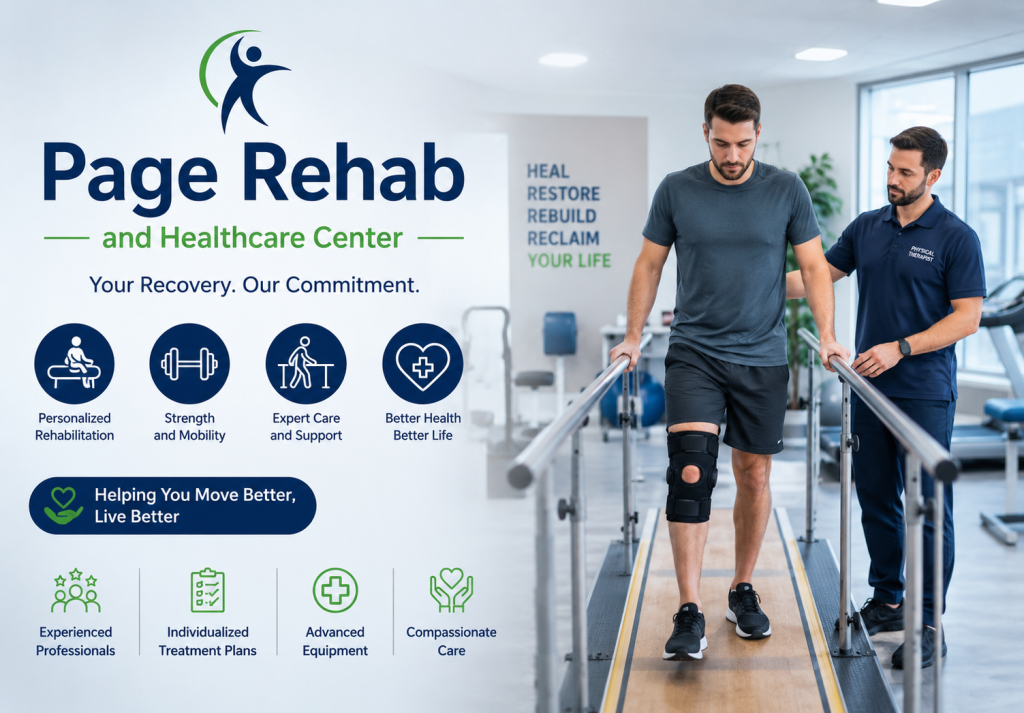
 Page Rehab and Healthcare Center
Finding the right Page Rehab and Healthcare Center can make a major difference in recovery, comfort, and quality of life. When someone needs rehabilitation after an illness, surgery, injury, or hospital stay, choosing a healthcare center with appropriate services and professional support is an important decision.
A rehabilitation and healthcare center can provide structured care in a supportive environment. Depending on individual needs, services may include physical therapy, occupational therapy, speech therapy, skilled nursing care, medication management, and assistance with daily activities.
The goal is not only physical recovery. Good rehabilitation also focuses on independence, confidence, safety, and helping patients return to everyday activities.
What Is a Page Rehab and Healthcare Center?
A Page Rehab and Healthcare Center is a healthcare facility that supports people who need rehabilitation, medical care, or assistance during recovery. Some patients may stay for a short period after hospitalization, while others may require longer-term support.
Rehabilitation programs are generally designed around a patient’s condition and recovery goals. A healthcare team may evaluate mobility, strength, balance, communication, daily living skills, and other needs before developing a care plan.
The exact services available can vary between facilities. Patients and families should ask about therapy programs, staff qualifications, care schedules, visiting policies, insurance coverage, costs, and other important details before making a decision.
Who May Need Page Rehab and Healthcare Center Services?
Rehabilitation can be appropriate for people recovering from many different medical situations. A physician or qualified healthcare professional can determine whether rehabilitation is suitable for an individual.
People who may benefit from rehabilitation include those recovering from:
- Surgery
- Stroke
- Serious illness
- Accidents or injuries
- Orthopedic procedures
- Joint replacement
- Falls
- Neurological conditions
- Prolonged hospital stays
- Mobility problems
- Physical weakness
- Certain chronic conditions
The level of care needed depends on the individual’s medical condition, functional abilities, and recovery goals.
Types of Rehabilitation Services at a Healthcare Center
A comprehensive Page Rehab and Healthcare Center may provide several types of therapy and healthcare services. Each service addresses a different part of the recovery process.
Physical Therapy at a Rehab and Healthcare Center
Physical therapy focuses on movement, strength, balance, flexibility, and physical function. Patients may work with therapists to improve walking, transferring, standing, or other movements.
Exercises and activities are generally selected according to the patient’s condition and abilities. Consistent therapy can help patients work toward greater mobility and independence.
Occupational Therapy and Daily Activities
Occupational therapy helps people improve their ability to perform everyday activities. These activities may include dressing, bathing, eating, grooming, and other daily tasks.
Occupational therapists may also teach strategies that make everyday activities safer and easier.
Speech Therapy and Communication Support
Speech therapy is not limited to speaking problems. Depending on the patient’s needs, speech-language therapy may address communication, cognitive-communication skills, and swallowing difficulties.
This type of therapy can be particularly important for some people recovering from neurological conditions or serious illnesses.
Skilled Nursing Care
Skilled nursing services can provide medical support for patients who require professional nursing attention during recovery.
Nursing care may include monitoring health conditions, administering medications as prescribed, assisting with wound care, coordinating with physicians, and observing changes in a patient’s condition.
The services offered depend on the facility and the patient’s individual care plan.
Why Choose a Page Rehab and Healthcare Center?
Recovering at home is appropriate for some people, but others need more structured support. A Page Rehab and Healthcare Center can provide access to healthcare professionals and rehabilitation services in one setting.
One major advantage is consistency. Patients can follow a planned rehabilitation routine while receiving assistance with daily needs.
Another benefit is professional monitoring. Healthcare staff can observe progress and communicate important changes to appropriate medical professionals.
For families, a rehabilitation center can also provide support when a loved one needs more assistance than family members can safely provide at home.
What to Look for in a Page Rehab and Healthcare Center
Choosing a rehabilitation facility should involve more than looking at its location. Several factors can help families compare available options.
Qualified Healthcare Professionals
Ask about the healthcare professionals who provide care. Depending on the facility, the team may include nurses, physical therapists, occupational therapists, speech-language professionals, physicians, and other specialists.
Individualized Care Plans
Every patient has different needs. A good rehabilitation program should be based on the patient’s medical condition, abilities, goals, and recommendations from healthcare professionals.
Ask how care plans are created and how patient progress is evaluated.
Rehabilitation Programs
Find out which therapy services are available. If a patient needs physical, occupational, or speech therapy, confirm that the appropriate service is offered.
It is also useful to ask how frequently therapy is provided and how therapy goals are determined.
Clean and Safe Environment
A clean and well-maintained environment is important for patient comfort and safety. During a facility visit, pay attention to general cleanliness, accessibility, lighting, handrails, emergency procedures, and other safety features.
Communication With Families
Clear communication can make rehabilitation easier for everyone. Ask how families receive updates about progress, changes in care, appointments, and discharge planning.
Location and Accessibility
Location can be important when family members plan to visit regularly. A convenient location may make it easier for loved ones to remain involved during recovery.
What Happens During Rehabilitation at a Healthcare Center?
The rehabilitation process can vary depending on the patient’s condition. However, many programs begin with an assessment.
Healthcare professionals may evaluate mobility, strength, balance, communication, daily activities, and other areas related to recovery.
Based on the assessment, the care team can establish appropriate goals. Therapy and nursing services are then provided according to the patient’s care plan.
Progress may be monitored throughout the stay. Goals can be adjusted as the patient’s abilities change.
For people interested in recovery and healing, the site’s existing article All-on-4 Recovery: What to Expect Week by Week provides another example of how recovery can involve different stages and ongoing care.
Eventually, the care team may begin preparing the patient for the next stage of recovery. This could involve returning home, continuing outpatient therapy, or receiving another level of care, depending on the patient’s situation.
Questions to Ask Before Choosing a Page Rehab and Healthcare Center
Families often have many questions when comparing rehabilitation facilities. Asking questions before admission can help prevent confusion later.
Consider asking:
- What rehabilitation services are available?
- What types of patients does the facility typically serve?
- Are physical, occupational, and speech therapies available?
- How is an individual care plan created?
- How is patient progress measured?
- What nursing services are provided?
- What are the visiting policies?
- How are families updated about patient progress?
- What insurance plans are accepted?
- What costs may not be covered by insurance?
- How does discharge planning work?
- What support is available after discharge?
The answers can help families determine whether a facility is appropriate for a particular patient’s needs.
The Importance of Family Support During Rehabilitation
Family involvement can be an important part of recovery. Loved ones can provide encouragement, communicate with healthcare professionals, and help patients stay motivated.
Families can also learn about exercises, mobility precautions, medication instructions, and other recommendations that may be relevant after discharge.
However, family members should always follow the instructions provided by the patient’s healthcare team. Rehabilitation activities should be appropriate for the patient’s condition.
Preparing for a Page Rehab and Healthcare Center Stay
Preparation can make the transition to a rehabilitation facility easier. Families should bring or provide important medical information, medication details, identification, insurance information, and healthcare provider contact information when requested.
Comfortable clothing and appropriate personal items may also be useful.
Before bringing medications from home, families should ask the facility about its medication policy. Some facilities require medications to be managed through their own pharmacy or nursing procedures.
It is also helpful to understand the patient’s therapy schedule and expected goals.
Rehabilitation and Recovery Goals
Recovery does not look the same for every person. One patient’s goal may be to walk independently, while another person’s goal may be to safely perform everyday activities.
Goals should be realistic and based on the patient’s medical condition.
Short-term goals can help patients and families understand progress during rehabilitation. Long-term goals can help guide discharge planning and continued care.
Healthcare professionals can help determine appropriate goals and explain what progress may look like.
Transitioning Home After Rehabilitation
Discharge planning is an important part of rehabilitation. Before returning home, patients may need instructions about medications, exercises, follow-up appointments, mobility equipment, and home safety.
Some patients may need continued outpatient therapy or home-based healthcare services.
Families can prepare the home by reducing fall hazards, improving accessibility, and arranging necessary equipment when recommended by healthcare professionals.
The care team may also provide instructions about when to contact a physician or seek urgent medical attention.
Frequently Asked Questions About Page Rehab and Healthcare Center
What Does a Page Rehab and Healthcare Center Provide?
A Page Rehab and Healthcare Center may provide rehabilitation therapy, skilled nursing, assistance with daily activities, medical monitoring, and other healthcare services. Available services vary by facility.
How Long Do Patients Stay in a Page Rehab and Healthcare Center?
The length of a rehabilitation stay varies. It depends on the patient’s condition, progress, medical needs, insurance coverage, and discharge plan.
Is Rehabilitation Only for Older Adults?
No. People of different ages may need rehabilitation after injuries, surgeries, illnesses, or other medical conditions. Eligibility and available services depend on individual needs.
Does Every Patient Receive the Same Rehabilitation Therapy?
No. Rehabilitation programs should be based on individual needs and healthcare recommendations. Therapy goals and schedules can differ between patients.
How Can Families Choose the Right Rehab and Healthcare Center?
Families should compare healthcare services, therapy programs, staff, facility conditions, location, communication practices, insurance coverage, costs, and patient-specific needs.
Final Thoughts on Page Rehab and Healthcare Center
Choosing a Page Rehab and Healthcare Center is an important decision for patients and families. The right rehabilitation environment can provide structured therapy, professional nursing support, and assistance throughout the recovery process.
Before selecting a facility, take time to understand the available services, care plans, therapy options, staff, costs, and discharge process. A facility that matches the patient’s medical needs and recovery goals can make the rehabilitation experience more organized and supportive.
Most importantly, rehabilitation should be treated as an individual process. Recovery takes time, and progress can vary from person to person. Working with qualified healthcare professionals and following an appropriate care plan can help patients move toward greater independence and a better quality of life.