
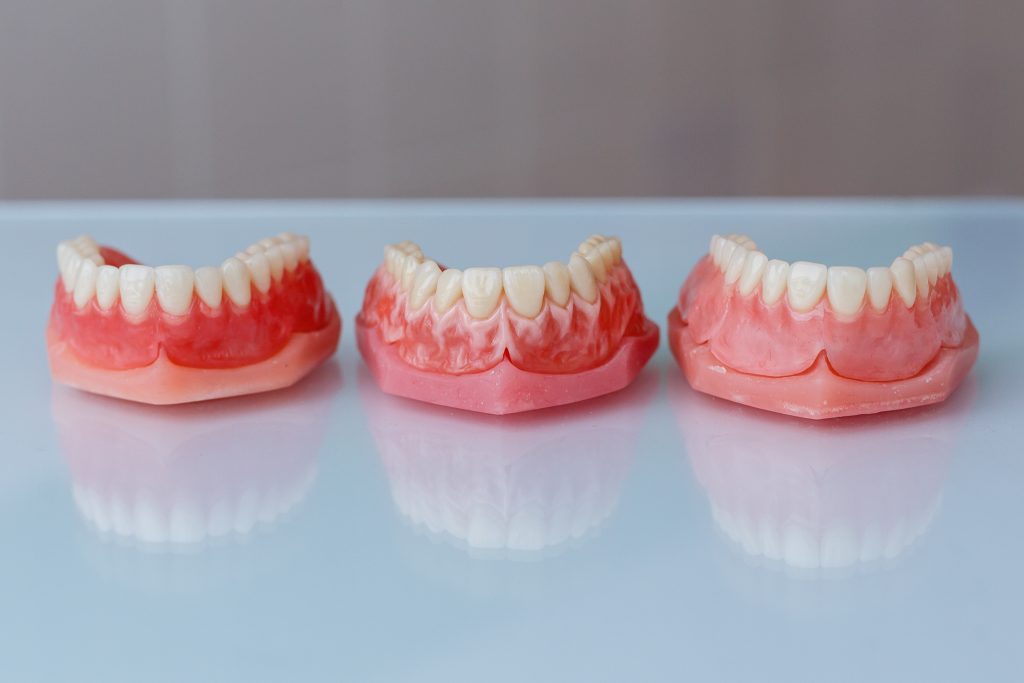
You, like many others, might be taking your teeth for granted. A complete set of teeth benefits your whole body more than you think. So, if you’re missing some, your daily life might undergo a huge change.
Tooth loss can affect many things, from how you speak to how you eat. However, you don’t have to spend the rest of your life with this issue. You can regain all your teeth and return to normalcy with full mouth dentures.
Dentures offer several functional benefits for your body and mind. Keep reading to learn what these are.
Improves Ability to Chew a Wide Range of Food
The teeth’s most well-known function is to chew food. And even if you’ve lost only one tooth, that gap could affect your chewing ability. With just one missing tooth, chewing tough meats and crunchy foods becomes challenging. You may set aside these foods to eat something easier to chew, even if it’s not what you want.
If you’re having difficulty chewing due to missing teeth, consider visiting a trusted local dental clinic. A prosthodontist will create molds of your gums and teeth as a basis for full mouth dentures. While waiting for a denture fit and the permanent set, you may wear temporary partial dentures to help you chew better.
It may still take a while before you can return to eating anything. In the interim, cut your food into bite-sized pieces and avoid eating sticky foods as you get used to your dentures.
Brings Back Nutrient-Rich Meals
As a result of chewing more comfortably, you can eat healthier meals again. With missing teeth, you’ve likely settled for soft, processed foods low in nutritional value. Worse, you might have eaten less and lack vital nutrients.
Full dentures allow you to enjoy nutritious foods like fresh fruits, raw vegetables, and lean proteins. Meals with these ingredients return to your daily diet, providing the nutrients you could have missed with lost teeth. A healthier diet supports your immune system, promotes bone strength, and maintains balanced energy levels.
Eating with full mouth dentures can be tricky initially. So, start with something easy yet full of nutrients, such as:
- Eggs
- Broiled fish
- Meatloaf
- Pasta or rice
- Bananas and berries
Eventually, you’ll get used to wearing the dentures. And soon enough, you may be able to eat slightly tougher stuff again.
Boosts Digestion and Gut Health
If you’ve experienced eating quickly without chewing properly, you may also have felt stomach pain immediately after. That’s because bigger chunks of food make it work slower yet harder, causing discomfort. Chewing breaks down your food, allowing your digestive system to work normally.
With full dentures, you can chew your food well enough that it doesn’t strain your digestive organs. Improved oral mechanics may also prevent digestive problems like indigestion and bloating.
Reduces Inflammation and Other Health Risks
A gap in your gums is often difficult to clean correctly, which is why the empty space is more prone to infection. Many people with missing teeth may also suffer from gum inflammation, which could lead to severe health conditions.
You may be less likely to contract inflammation and other health risks with dental implants like full dentures. Dentures create a barrier between your gums and bacteria and debris. They also make oral hygiene much easier. You can clean your teeth better with less irritation.
Healthier gums could help lower inflammatory triggers and risks like heart disease and diabetes.
Makes You Feel More Confident
Missing teeth can strike a blow to your confidence. You become too shy to smile due to the visible gap. Eating in public may also feel more embarrassing because you think other people notice the flaw.
However, when you’re wearing full mouth dentures, you may return to your more confident self. You feel more secure with your appearance and enjoy face-to-face interactions. Feelings of depression and social anxiety may not bother you anymore. In a way, full dentures may be connected with improved mental well-being.
Helps You Speak Better
Your tongue and lips work with your teeth to pronounce words correctly. So, sounds may change when you have some tooth gaps, especially at the front. This issue could dampen your spirits when speaking with others.
Full dentures can help correct speech issues that make talking frustrating. They return structure to your mouth, helping restore natural speech patterns. The result is smoother communication.
What to Expect When Getting Full Mouth Dentures

Getting full dentures involves multiple appointments. First, you’ll have a dental assessment to check your teeth, gums, and jaw bone.
Next, your dentist will recommend the dental implants that suit your needs and budget. Denture adjustment and the healing period can take a few weeks, but most people find that the benefits outweigh the temporary discomfort.
Denture costs range widely depending on materials, location, and whether you need extra treatments. Fortunately, many clinics offer payment installment plans or dental financing options. Some public health programs and medical insurance coverage may also cover part of the cost.
Conclusion
You mustn’t ignore a few missing natural teeth. Even one lost tooth may lead to various issues for your health and well-being.
Full mouth dentures are a viable answer to several missing teeth. They could help you eat better, improve your digestion, and make you feel more confident.
Consider scheduling a dental appointment soon if you want to improve your oral health. Dental specialists can help you get back on track with a denture solution that suits you.