
 One missing tooth can turn a carefree grin into a guarded half-smile, as if your confidence suddenly learned to hesitate. It can quietly become one of those insecurities you carry around. For years, traditional dentures were the go-to solution. While they may help restore function, they often come with issues like slipping and ongoing maintenance. This is where All-On-4 dental implants change the conversation. This procedure has been gaining traction in the dental industry.
The real question then becomes: is this the right solution for you? Let’s explore how it works, who benefits most, and what to consider before making the decision.
A Brief Overview of How All-On-4 Works
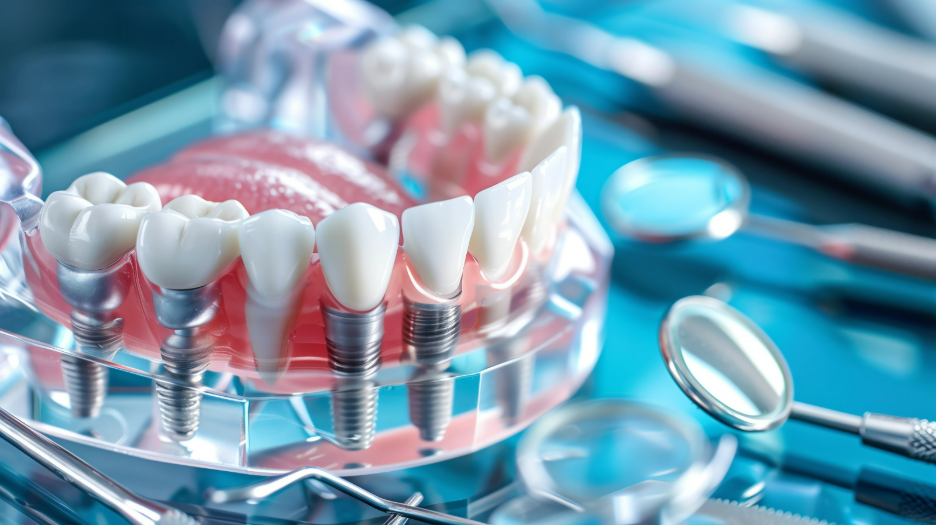
The name itself tells part of the story. All-On-4 replaces a full arch of teeth using only four strategically placed titanium implants. At the front of the jaw, a pair of implants is inserted in an upright orientation, while the back pair is installed at an approximate 45-degree tilt to enhance stability. That angle is deliberate. It allows the implants to engage more bone. That means patients who have experienced some bone loss may still qualify for the procedure without needing bone grafts first. A full arch of prosthetic teeth is then attached to those four points, functioning much like natural teeth would.
What sets this approach apart from traditional implants is efficiency. Conventional implant procedures often require one implant per missing tooth, which translates to higher costs, more surgical sessions, and longer recovery timelines. All-On-4 condenses all of that into a single procedure. Many patients leave the office with a temporary set of teeth the same day. The permanent prosthetic typically follows a few months after the initial fitting. By then, the implants have fully fused with the jawbone, a process known as osseointegration.
People Who Benefit Most
Not everyone who wants All-On-4 is automatically a candidate, and that distinction matters. It’s important to work with a reputable dental clinic to determine your eligibility. The procedure is generally suited for:
- Adults missing most or all teeth in one or both arches.
- Individuals with severely damaged or decayed teeth where extraction is the realistic next step.
- People who have struggled with ill-fitting dentures for years and are looking for a solution that stays in place without the need for adhesives.
- Those with sufficient jawbone health to support implants, although the angled placement of the back implants often makes it possible even when bone density is somewhat reduced.
Certain health factors can affect eligibility:
- Uncontrolled diabetes can interfere with healing.
- Active gum disease may prevent proper osseointegration.
- Heavy smoking can impact recovery and implant success.
- Medications that affect bone density, such as certain osteoporosis drugs, may require special consideration.
A thorough consultation with an experienced dentist or oral surgeon, like those at I-Implant Dentistry, is crucial. During this visit, the dentist will review your medical history, examine your oral health, and typically use imaging like 3D cone beam CT scans to assess bone volume. This ensures the implants can be placed safely and accurately, which gives you the best chance for long-term success.

Expectations During Recovery
Healing after an All-On-4 procedure takes time, and having a clear idea of what to expect can make the process much smoother and less stressful. Here’s what patients typically experience:
- First few days after surgery: It’s normal to have swelling, some bruising, and mild to moderate discomfort. Pain is usually manageable with prescribed medication, but resting and limiting physical activity are important.
- Dietary guidelines: For the first several weeks, a soft-food diet is recommended. This protects the implants while allowing your jaw and gums to heal. Gradually, firmer foods can be reintroduced as your dentist advises.
- Temporary teeth care: The temporary teeth placed on the day of surgery are strong but not indestructible. Chewing gently, avoiding hard or sticky foods, and practicing good oral hygiene will help protect the implants while osseointegration occurs.
- Full recovery timeline: Complete healing and integration of the implants often take three to six months. During this time, your permanent prosthetic will be planned and placed, giving you a long-lasting, natural-looking smile.
- Follow-up appointments: These are essential for monitoring progress, adjusting temporary teeth as needed, and addressing any concerns. Regular check-ins ensure that everything is healing correctly and that the implants are stable.
- Post-operative care: Patients who follow their dentist’s instructions carefully tend to experience the smoothest, most successful recoveries.
With patience, proper care, and realistic expectations, the recovery process can be straightforward. Knowing each stage helps you feel more confident and prepared, thus turning the journey toward a full, healthy smile into a positive experience.
Benefits of All-On-4 Dental Implants
As mentioned, All-On-4 dental implants provide enormous advantages for individuals seeking a long-term solution to extensive tooth loss. Below are several standout benefits that make this procedure appealing to many:
- Reliable stability: The implants are anchored securely into the jawbone, creating a firm foundation for the prosthetic teeth. This stability means no unexpected shifting while talking or eating, which can be a common frustration with removable dentures.
- Stronger bite force: Because the prosthetic arch is supported by implants, patients typically regain significant chewing power. This allows for a broader diet and a more enjoyable eating experience without constantly worrying about dislodging teeth.
- Streamlined treatment timeline: Many patients receive temporary teeth on the same day as surgery. That immediate restoration minimizes the time spent without functional teeth and supports a smoother transition into the healing phase.
- Bone preservation: Dental implants stimulate the jawbone in a way that mimics natural tooth roots. This stimulation helps maintain bone density, reducing the risk of the facial changes that can occur when teeth are missing for extended periods.
- Renewed self-assurance: A secure and natural-looking smile often changes how a person feels in social and professional settings. Conversations flow more easily, and smiling becomes instinctive again.
These benefits highlight why this dental care approachhas gained attention among patients and dental professionals. That makes it worth serious consideration as you explore your options.
Closing Thoughts
Choosing whether All-On-4 dental implants are right for you depends on your goals, dental hygiene, and long-term expectations. For many people, this procedure offers a stable and natural-looking solution.
Still, every smile is different. A thorough assessment with a qualified dental professional should be your first step. They can determine whether the treatment is right for you. Taking your personal needs into account will help you make a decision that supports both your oral health and your overall quality of life.