
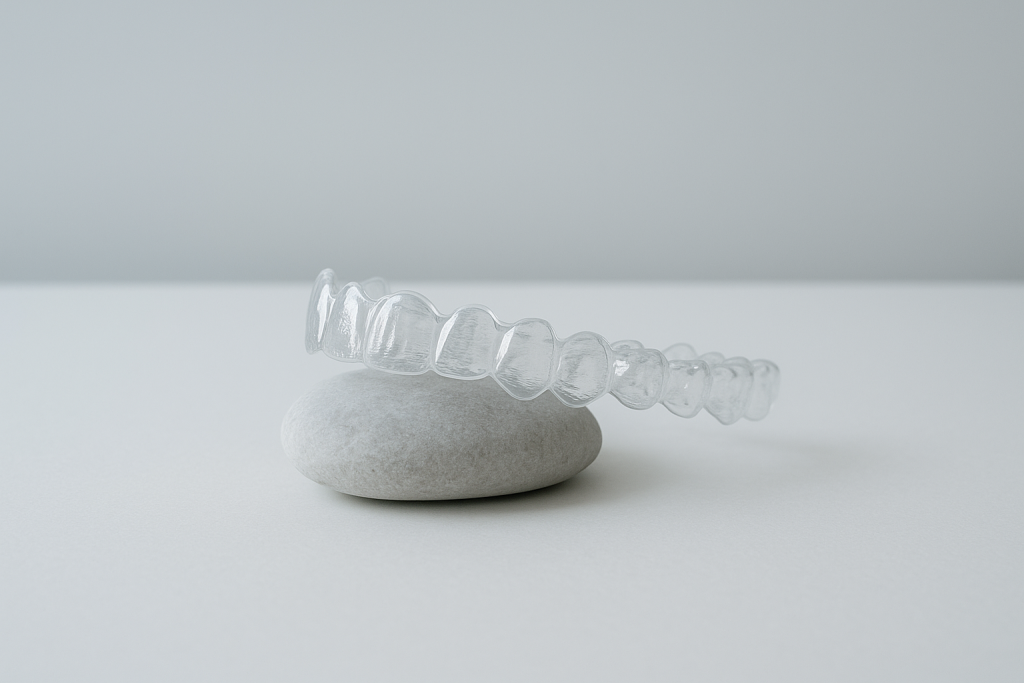
Invisalign offers a modern alternative to traditional braces, promising both aesthetic appeal and functional effectiveness. As you consider orthodontic options, understanding the cost-effectiveness of Invisalign is crucial. We explore whether this innovative solution is a worthwhile investment for your dental health.
When exploring orthodontic treatments, Invisalign often emerges as a popular choice due to its clear aligners and discreet appearance. But beyond aesthetics, assessing whether it provides value for money is essential. Finding cheap Invisalign can sometimes seem like an elusive goal, but understanding the broader financial implications can help you make an informed decision. As we examine this topic, you’ll find insights into how Invisalign compares with traditional braces and what makes it a compelling option for many.
Differences between Invisalign and traditional braces
Invisalign has changed orthodontics by using clear aligners that are nearly invisible, offering an alternative to metal braces. These aligners are custom-made for each patient and work by gradually shifting teeth into their desired positions. Unlike traditional braces that use wires and brackets, Invisalign provides a more comfortable experience with its smooth plastic material.
The technology behind Invisalign continues to advance, making it increasingly popular among patients seeking convenience and efficacy. The digital imaging used in creating aligners allows precise mapping of tooth movement, ensuring effective results. For individuals prioritizing discretion and minimal lifestyle disruption, Invisalign’s appeal is significant compared to conventional options.
Another key distinction lies in the treatment duration and predictability of results. Modern Invisalign systems utilize advanced 3D computer imaging technology to create a complete treatment plan from the initial position to the final desired placement of teeth. This allows patients to visualize their expected outcome before treatment even begins, providing transparency that traditional braces cannot match. The aligners are typically changed every one to two weeks, with each set designed to make specific, controlled movements. This systematic approach often leads to more predictable timelines, though actual treatment duration varies based on individual cases and complexity of alignment issues.
Financial considerations of choosing Invisalign
Understanding the financial commitment involved in opting for Invisalign is essential for potential users. Initially, the cost might appear higher than traditional braces, but it’s crucial to consider the long-term benefits. While upfront expenses can be substantial, many find value in the convenience and efficiency provided by these aligners.
When comparing costs with traditional braces, Invisalign often includes fewer office visits and adjustments, potentially reducing overall expenses over time. This aspect makes it appealing for those looking at not just immediate costs but also future savings associated with less frequent maintenance. Moreover, insurance coverage for orthodontic treatments frequently extends to Invisalign, adding to its cost-effectiveness.
Non-monetary benefits of Invisalign
Beyond financial considerations, Invisalign offers several non-monetary advantages that enhance its value proposition. Comfort stands out as a significant benefit; without metal brackets or wires, patients experience less irritation in the mouth. Additionally, the removable nature of aligners allows for easier oral hygiene maintenance compared to traditional braces.
Aesthetic appeal also plays a vital role in its popularity. For many adults seeking orthodontic treatment, maintaining a professional appearance without visible metal braces is crucial. The convenience of removing aligners when eating or during important events adds another layer of flexibility that users appreciate greatly.
Long-term benefits for oral health
Investing in Invisalign not only addresses immediate orthodontic needs but also contributes to long-term oral health and overall well-being. Properly aligned teeth facilitate better oral hygiene practices, reducing risks associated with decay and gum disease. Additionally, improved bite function can prevent future dental complications.
For those weighing the balance between cost and quality in orthodontic care, considering these long-term health benefits is vital. While initial investments may seem steep, the potential savings on future dental treatments and enhanced quality of life present a compelling case for many individuals contemplating this treatment option.