
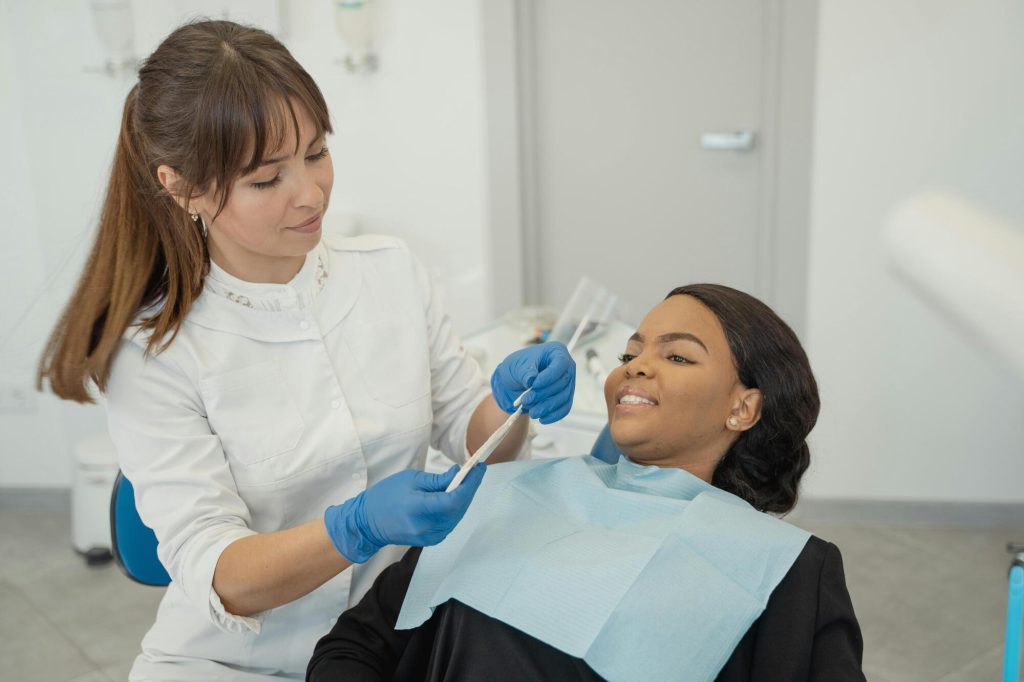
 Establishing a dental routine is crucial for families wanting to ensure the oral health of every member. It’s common to overlook dental care in the hustle and bustle of daily life, but doing so can lead to serious issues.
A well-rounded dental routine not only promotes healthier teeth but also encourages kids to practice good hygiene habits from a young age. So, how do you create a dental routine that accommodates everyone from toddlers to teens? Let’s break down some essential steps that can help your family achieve bright and healthy smiles.
Why a Dental Routine is Essential
Good oral health is the cornerstone of overall well-being, and a well-established dental routine is crucial for kids and adults alike. The American Dental Association highlights a stark reality: children with untreated cavities often face a triple whammy, struggling to eat, sleep, and focus in school.
Creating a dental routine helps parents avoid issues. This way, kids can grow strong, healthy teeth. They also learn good hygiene habits that will last a lifetime.
For instance, regular brushing and flossing can help prevent tooth decay, which is the most common chronic childhood disease in the United States, according to the Centers for Disease Control and Prevention.
A strong dental routine helps parents, too. It cuts the chances of surprise dental emergencies and expensive treatments later on. By prioritizing dental health, families can avoid the financial burden of complex procedures and instead focus on maintaining a healthy, happy smile for years to come.
Start Early: Dental Care for Toddlers
Introducing dental care at an early age sets a strong foundation for future habits. Begin with gentle cleaning of your toddler’s teeth as soon as they come in. Here’s how:
Use a soft, age-appropriate toothbrush and a tiny smear of fluoride toothpaste. Brush their teeth twice a day and encourage them to rinse afterward. Make it fun by singing songs or using timers to keep them engaged.
Involve your kids by letting them pick their toothbrush or toothpaste flavor; engagement at this stage makes dental care feel less like a chore.
Creating Positive Experiences for Kids
Children are naturally curious and can be anxious about dental visits. To create positive experiences:
Schedule regular check-ups with a friendly dentist who specializes in pediatrics. Discuss upcoming visits in a positive way; share what will happen to ease their anxiety. Offer rewards for good behavior during appointments.
By fostering a positive dental environment, you encourage kids to take pride in their oral hygiene.
Developing a Routine for School-Aged Children
Once children reach school age, their dental routine may need to adapt. At this stage, they can participate more actively in their oral hygiene. Here are important pointers for school-aged children:
Encourage kids to brush their teeth at least twice daily for two minutes. Incorporate flossing into their routine; aim for once a day. Make dental hygiene part of their morning and bedtime routines.
It’s essential to monitor their brushing and flossing techniques to ensure they’re performing them correctly.
Choosing the Right Products
Selecting the right dental products can significantly impact the effectiveness of your family dental routine. Always choose fluoride toothpaste to help prevent cavities. Make sure each family member has their own toothbrush that is the appropriate size and softness for their age. Additionally, consider:
Electric toothbrushes can make brushing more enjoyable. Mouthwash for older children can provide an extra level of protection. Age-appropriate flossers that are easier for children to handle.
By involving your kids in the process of selecting their own toothbrushes, mouthwashes, and flossers, you give them a sense of ownership and responsibility for their dental health. This simple act can encourage them to take pride in their oral care routine, making them more likely to stick to it.
Teaching Teens to Take Responsibility
As your kids grow into their teenage years, encourage them to take more responsibility for their dental routines. Teenagers often experience dental issues due to dietary choices and lifestyle factors. Here’s how to guide them:
Reiterate the importance of maintaining good oral hygiene, especially after consuming sugary snacks. Encourage regular visits to the dentist, even if they think they don’t need them. Discuss options like aligners or braces if necessary for misalignments.
Teens can be sensitive to how their smiles look, so leveraging their desire for a great smile can motivate them to maintain their dental health.
Family Dental Services: A Key Component
Incorporate family dental services into your routine by scheduling regular check-ups for everyone. Dentists often provide valuable insights and tips tailored to your family’s needs. Make it a family activity!
Planning dental visits together ensures everyone is on the same page and makes the task feel less intimidating. Prepare your children beforehand to discuss what to expect, this could be the first step toward establishing positive associations with dentistry.
Nutrition and Dental Health
Your family’s diet plays a vital role in oral health. Here are some key points to keep your family’s diet tooth-friendly:
Encourage water and milk over sugary drinks. Provide plenty of fruits and vegetables, which are great for overall health as well as dental health. Limit snacks with high sugar content, and opt for healthy options instead.
By involving everyone in choosing healthy snacks, you can ensure that good choices are made together, reinforcing the importance of a healthy, balanced diet.
Dealing with Dental Emergencies
Accidents can happen unexpectedly, especially with active children and teenagers who are prone to injuries during sports or playful activities. Therefore, it’s crucial for families to be prepared and know what to do in case of a dental emergency. Having a well-thought-out plan in place can make all the difference in saving a tooth or alleviating severe pain.
First and foremost, it’s vital to have emergency contact details of your dentist handy, including their phone number and address. This way, you can reach them quickly and easily in case of an emergency. Imagine being able to get immediate guidance on how to handle a knocked-out tooth or a severe toothache, just a phone call away.
Knocked-Out Tooth
When dealing with a knocked-out tooth, it’s essential to handle it by the crown (the top part) to minimize the risk of damaging the delicate root. Gently rinse the tooth with warm water to remove any debris, and if possible, reinsert it into the socket. This can help preserve the tooth and increase the chances of a successful reimplantation.
Fractures or Severe Pain
For tooth fractures or severe pain, it’s crucial to visit the dentist immediately. Quick action can mean the difference between saving and losing a tooth. Remember, a dental emergency is not just about alleviating pain, but also about preventing potential long-term damage to your teeth and overall oral health.
Having a plan in place helps everyone feel secure, knowing that they can handle dental emergencies efficiently and effectively. By being prepared, families can avoid panic and confusion and instead, focus on getting the necessary help to resolve the emergency. With a clear plan of action, you can rest assured that your family is equipped to handle any dental emergency that may arise.
Encouraging Consistent Practice
Developing a family dental routine requires more than just scheduling regular check-ups – it needs to be supported by consistent practice. Make oral health a family affair by encouraging open discussion about its importance at home.
Share stories about the benefits of good oral hygiene, and celebrate achievements together, like when your child has a cavity-free check-up. This will help create a sense of accountability and motivation within the family.
Remind your family members about the importance of maintaining their respective dental routines, such as brushing twice a day and flossing once a day. Offer praise and rewards for their commitment to these habits, no matter how small they may seem. For instance, you could create a reward chart where each family member gets a sticker for every day they brush their teeth correctly.
To make dental care more engaging and fun, consider introducing seasonal challenges. For example, you could have a “Two-Minute Brush Challenge” during the summer holidays, where each family member has to brush their teeth for the full two minutes, twice a day, for a month.
You could also make it a competition to see who can come up with the most creative toothbrush holder or design. By doing so, you’ll make oral health an enjoyable and rewarding experience for your family.
Your Family’s Bright Future Awaits
Maintaining a dental routine is more than just avoiding cavities; it’s about instilling lifelong habits that your family can carry forward. The foundation for a healthy smile is built with daily practice and regular check-ups. Get everyone involved, adjust as children grow, and always communicate about the importance of oral health.
Make the necessary adjustments to keep the routine age-appropriate and fun. Together, you can achieve lasting dental health as a family. Reach out to your local dentist to explore the best services that fit your needs, and take the first step towards a brighter tomorrow!
For more helpful tips, check out the rest of our site today.